Insights, deep-dives & race intel
Filtered by Guides · clear
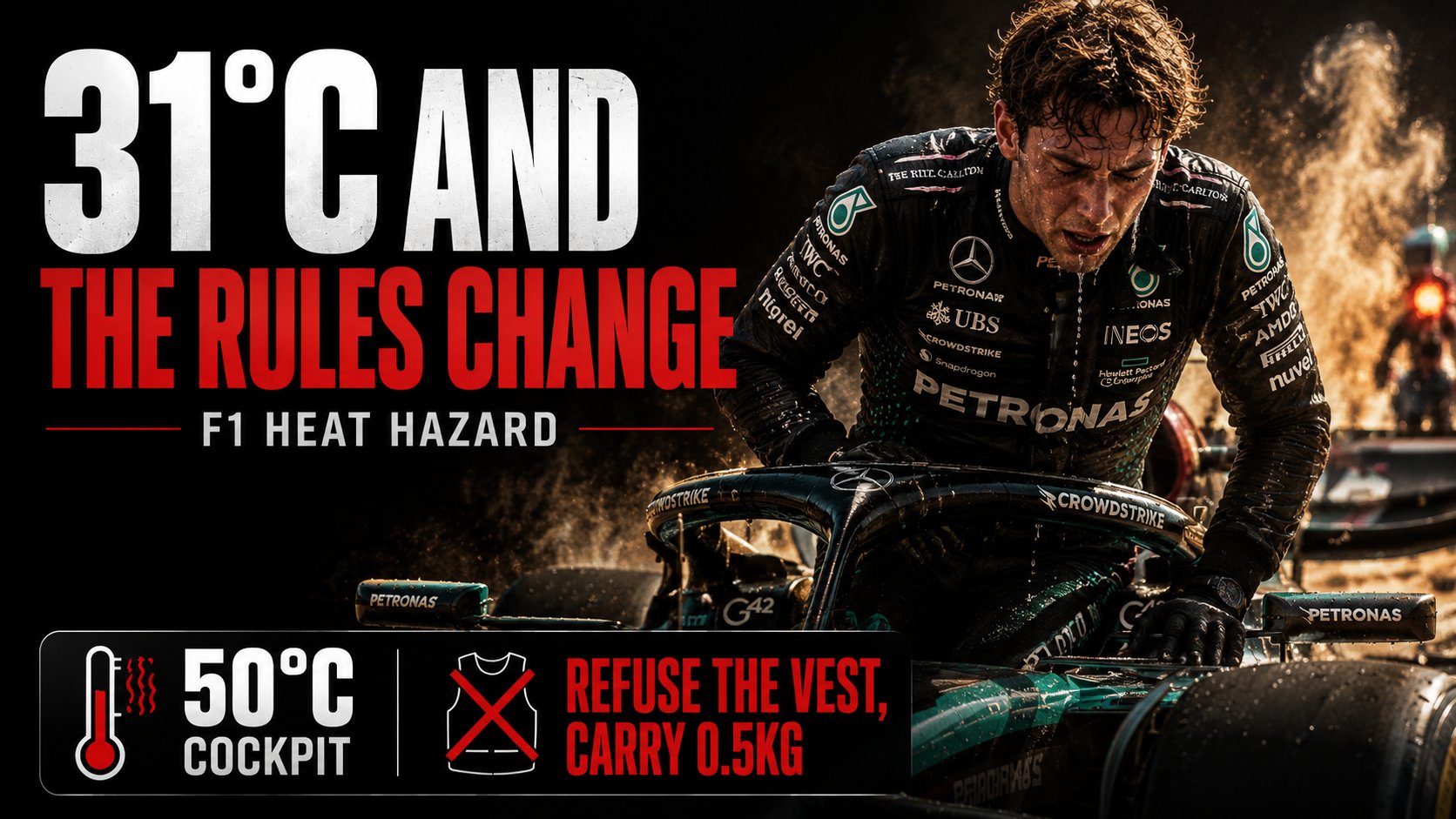
F1's Heat Hazard Rule and the Cooling Vests Drivers Don't Want
Above 31°C the FIA declares a Heat Hazard and every car must carry a cooling system. Drivers can refuse to wear the vest, and the rule makes sure it costs them nothing.
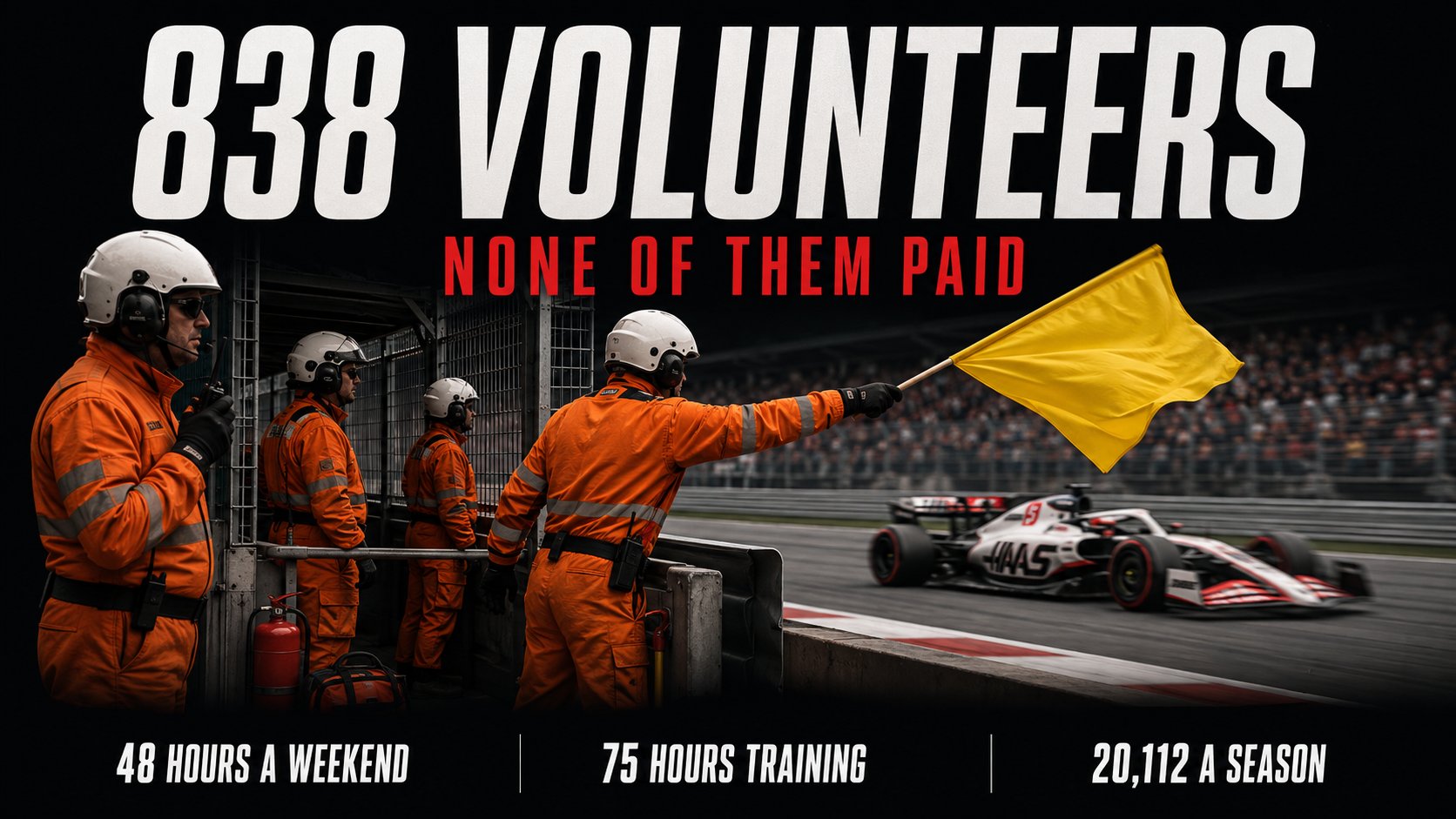
F1 Marshals: The 838 Unpaid People Who Run Every Grand Prix
An FIA report put numbers on it. It takes an average of 838 volunteers to run a Grand Prix, they train 50 to 75 hours a year, and two thirds take annual leave to be there.
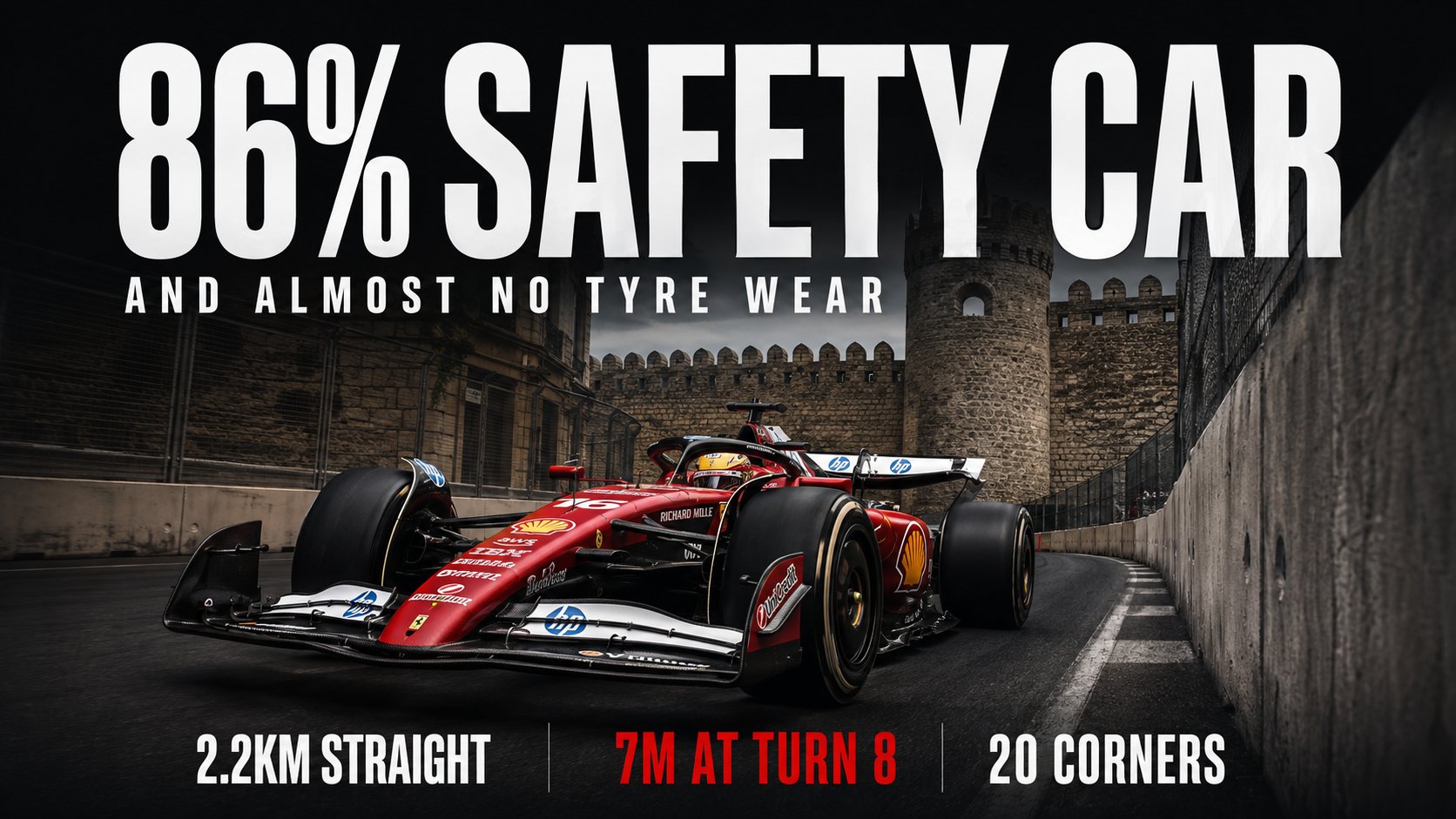
Why Baku Produces the Racing It Does
A 2.2km straight, a seven metre gap between walls, near-zero tyre wear and an 86% safety car rate. Baku's chaos is not luck, it is the direct product of four things.
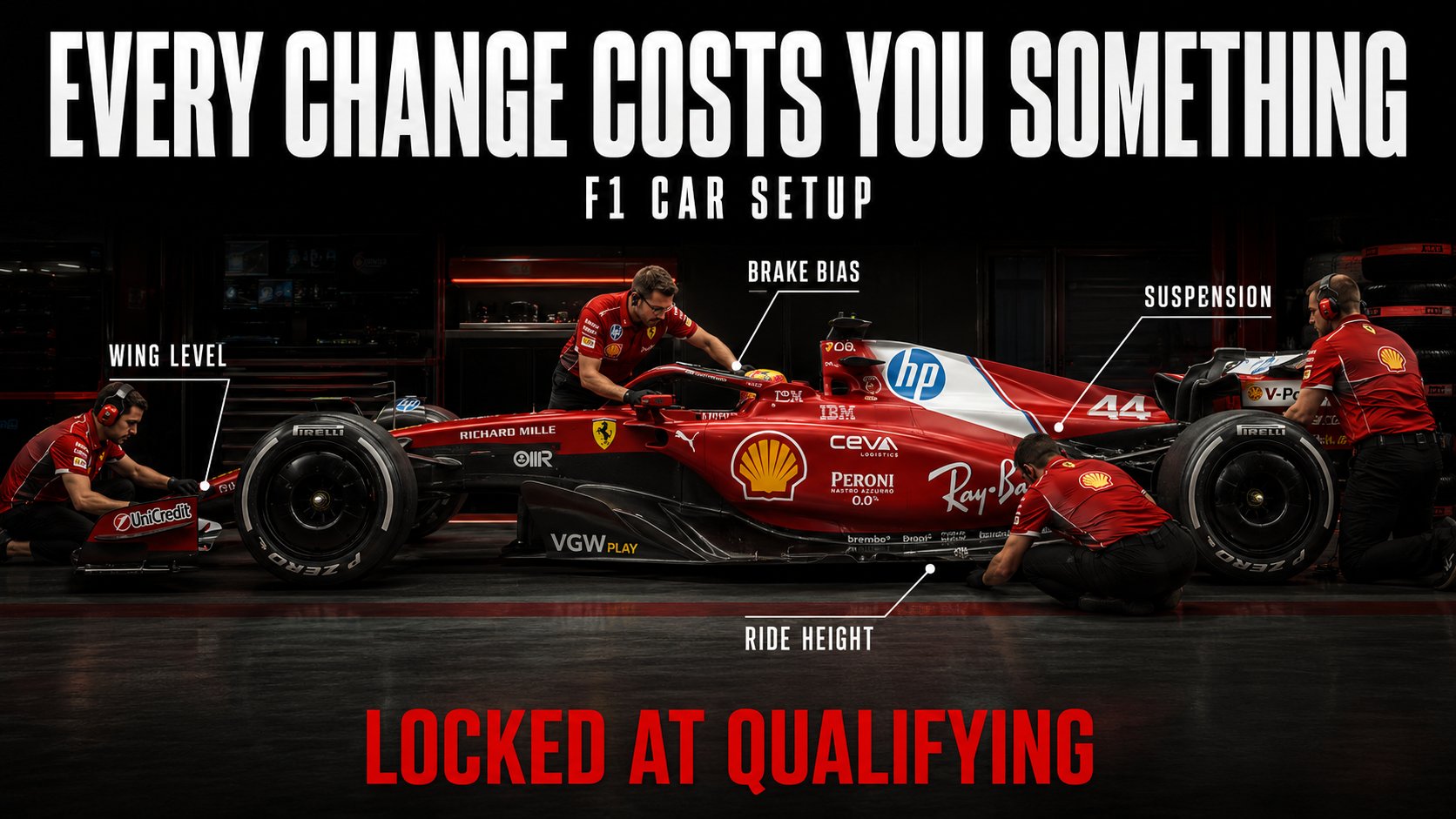
F1 Car Setup Explained: What Teams Actually Change
Setup is a set of compromises made before the car is locked. Wing level, ride height, brake bias and tyres, what each one trades away, and when the freedom ends.
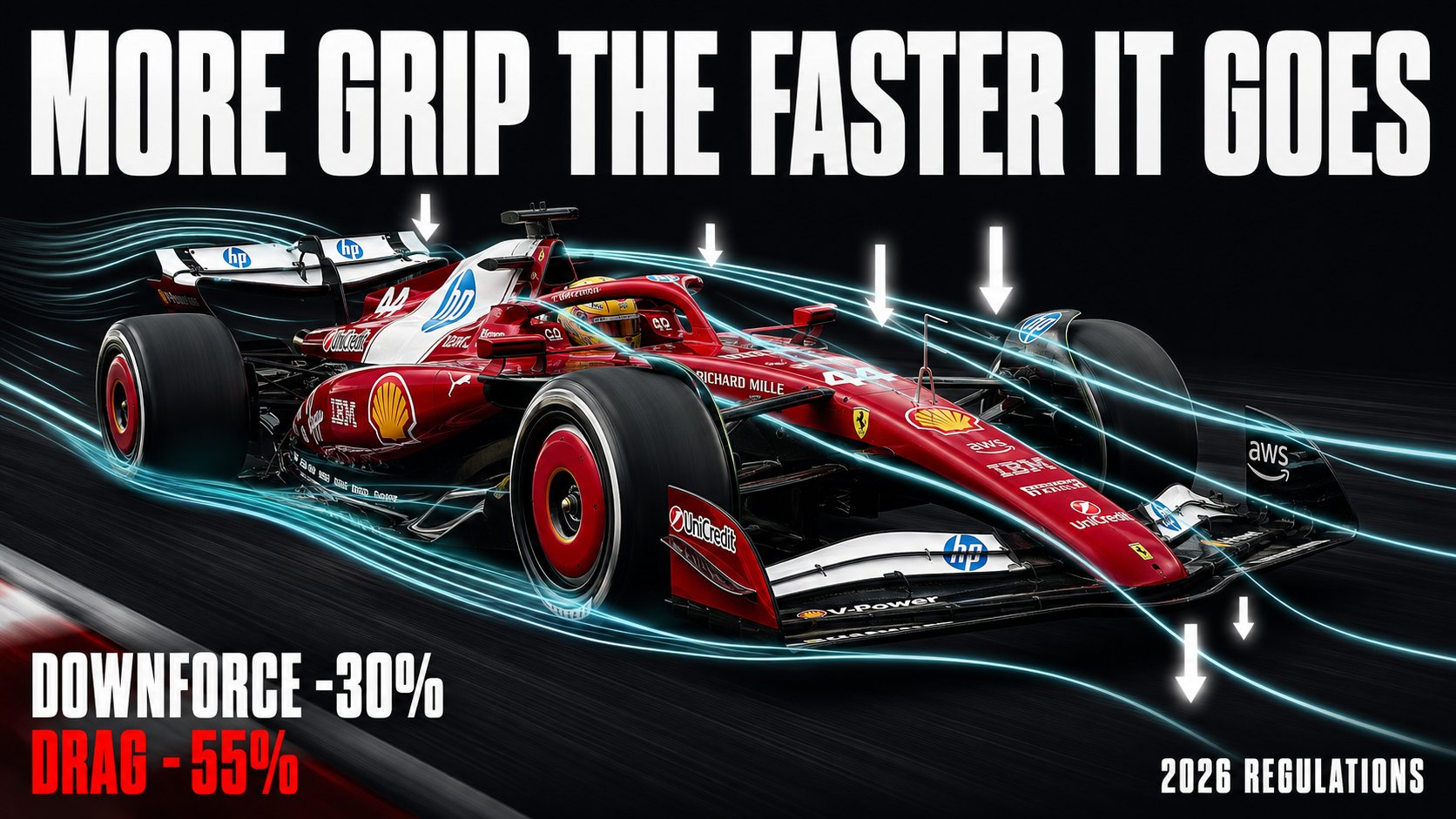
What Is Downforce in F1? The Force That Makes Everything Else Possible
Downforce is aerodynamic grip, and it is where almost all of an F1 car's performance comes from. For 2026 the sport cut it by 30% on purpose. Here is what that does.
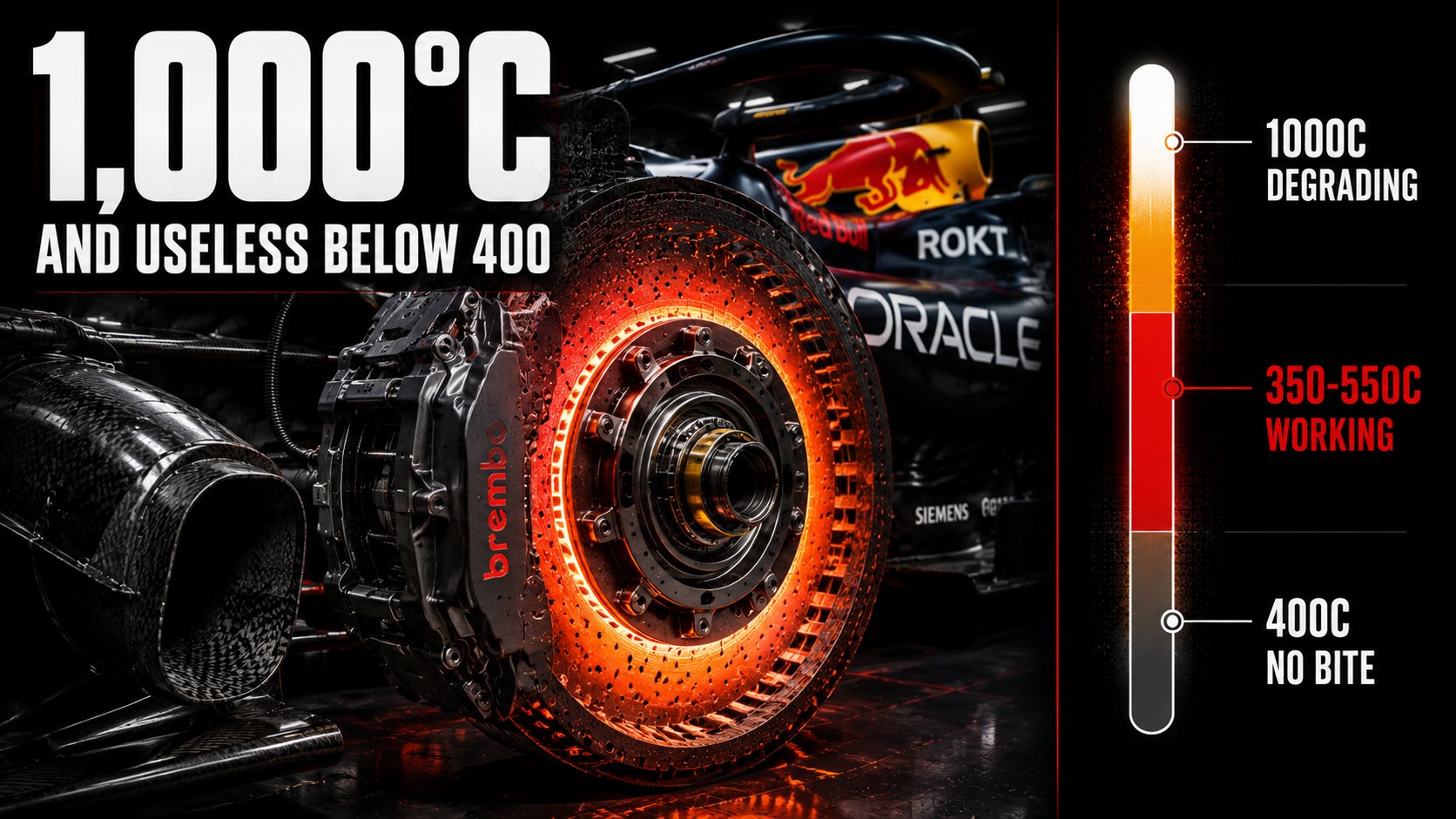
F1 Brakes Explained: 1,000°C, and Useless When Cold
F1 carbon brakes stop a car from 300 km/h in under four seconds, and produce almost no bite below 400°C. The narrow window explains most braking mistakes you see.
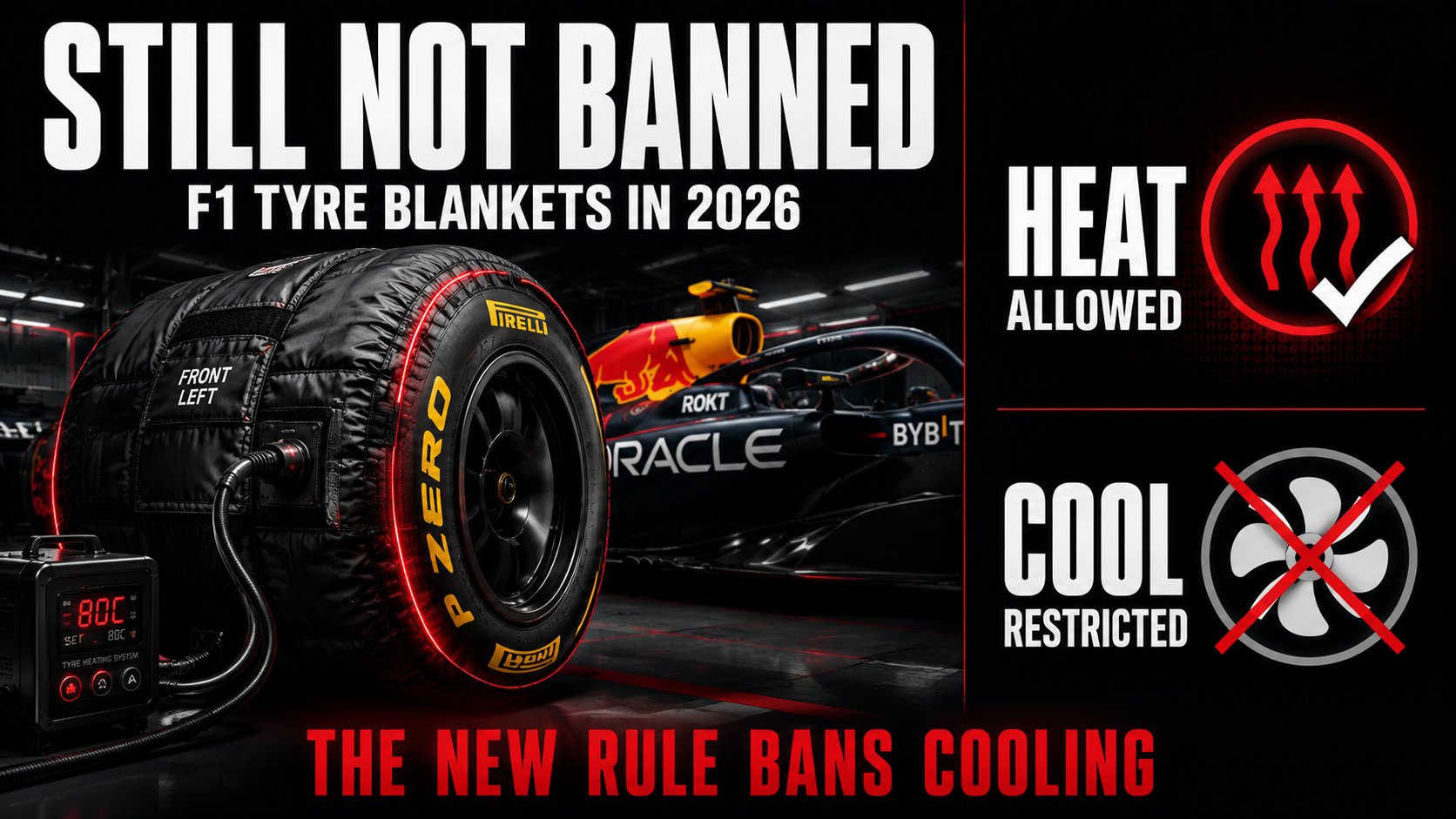
F1 Tyre Blankets: The Ban That Keeps Not Happening
Tyre blankets have been about to be banned for years and are still legal in 2026. The rule that did change went the other way, and closed a cooling loophole.
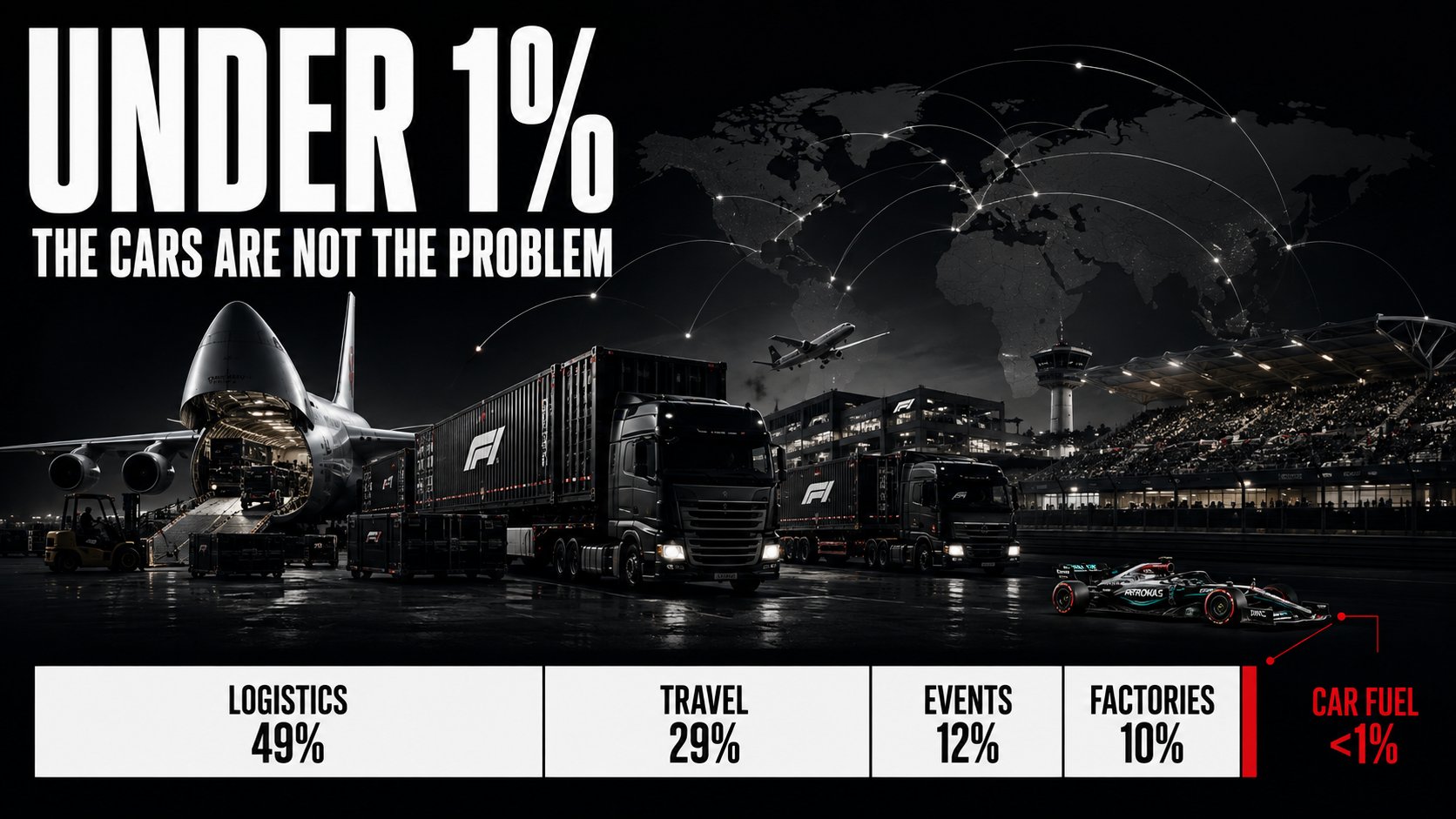
F1's 100% Sustainable Fuel, and What It Actually Does
From 2026 every F1 car runs fuel with no crude oil in it. The cars are also under 1% of F1's carbon footprint, which makes the real argument for it a different one.
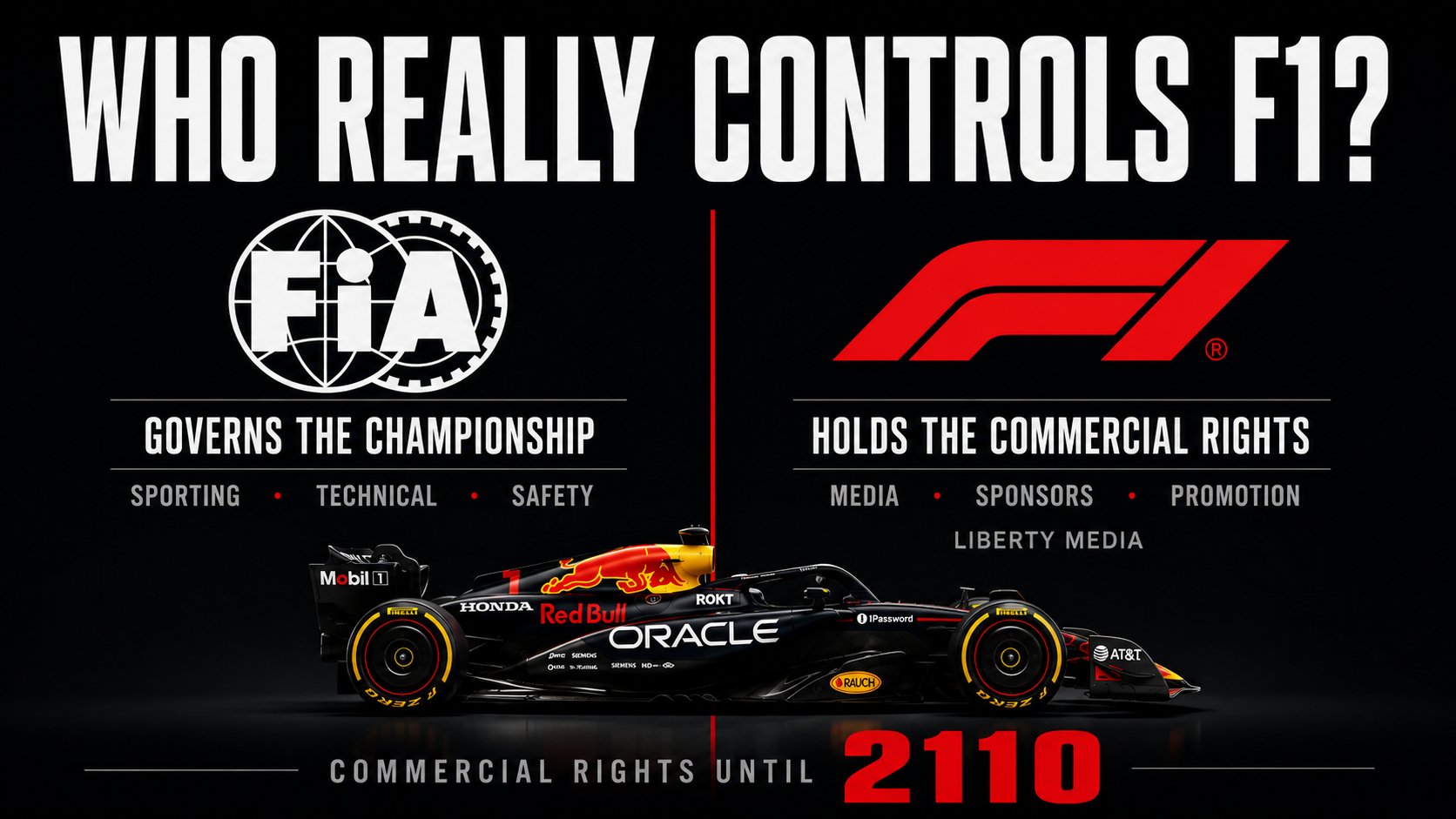
Who Owns Formula 1? The FIA, Liberty Media and the 100 Year Deal
The FIA owns the championship. Liberty Media owns the right to make money from it, on a lease that runs to 2110. The split explains most arguments in the sport.
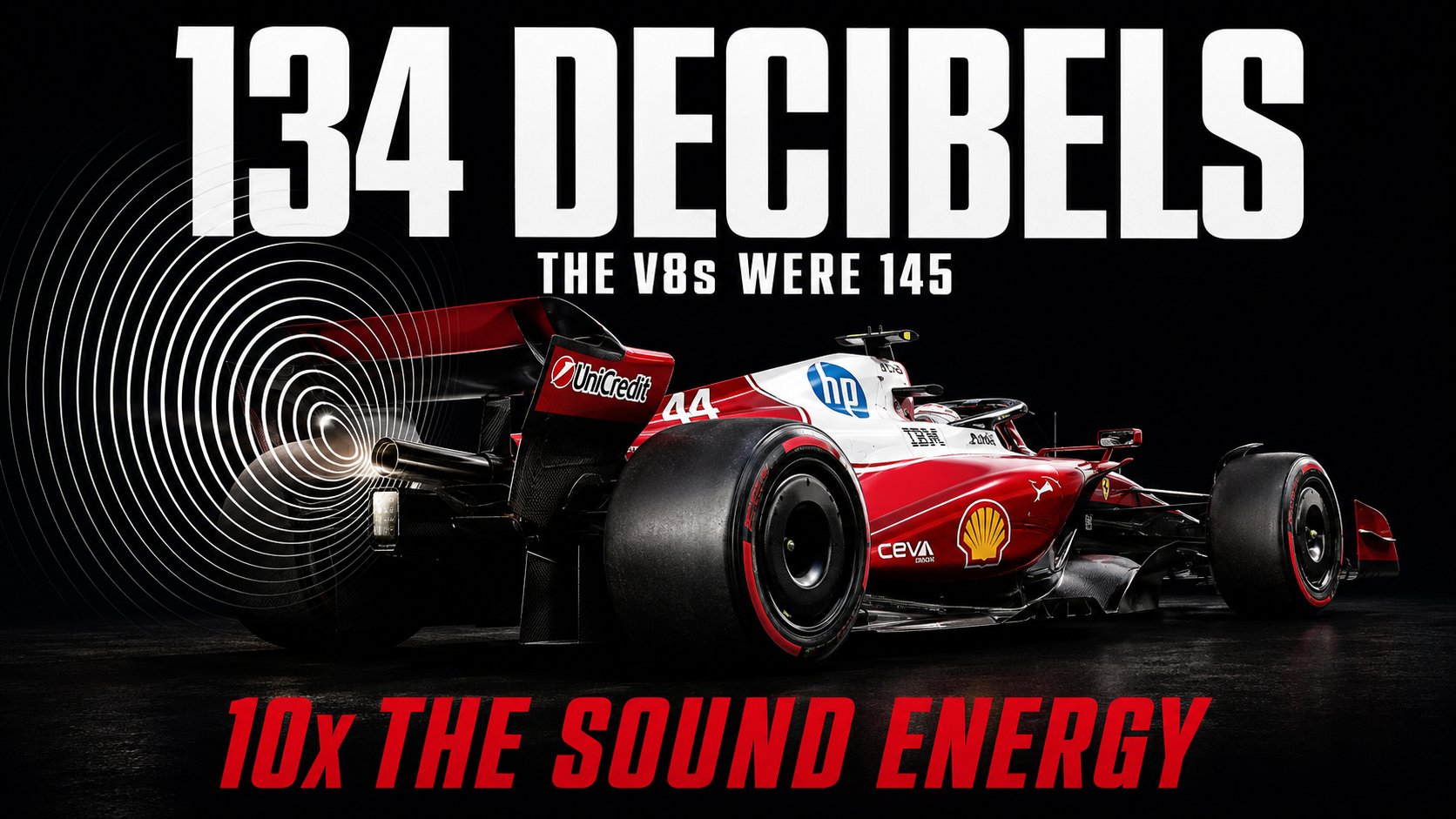
How Loud Are F1 Cars? And Why They Got Quieter
Modern F1 cars measure about 134 decibels, down from 145 with the V8s. Because decibels are logarithmic, that gap is far bigger than it sounds.
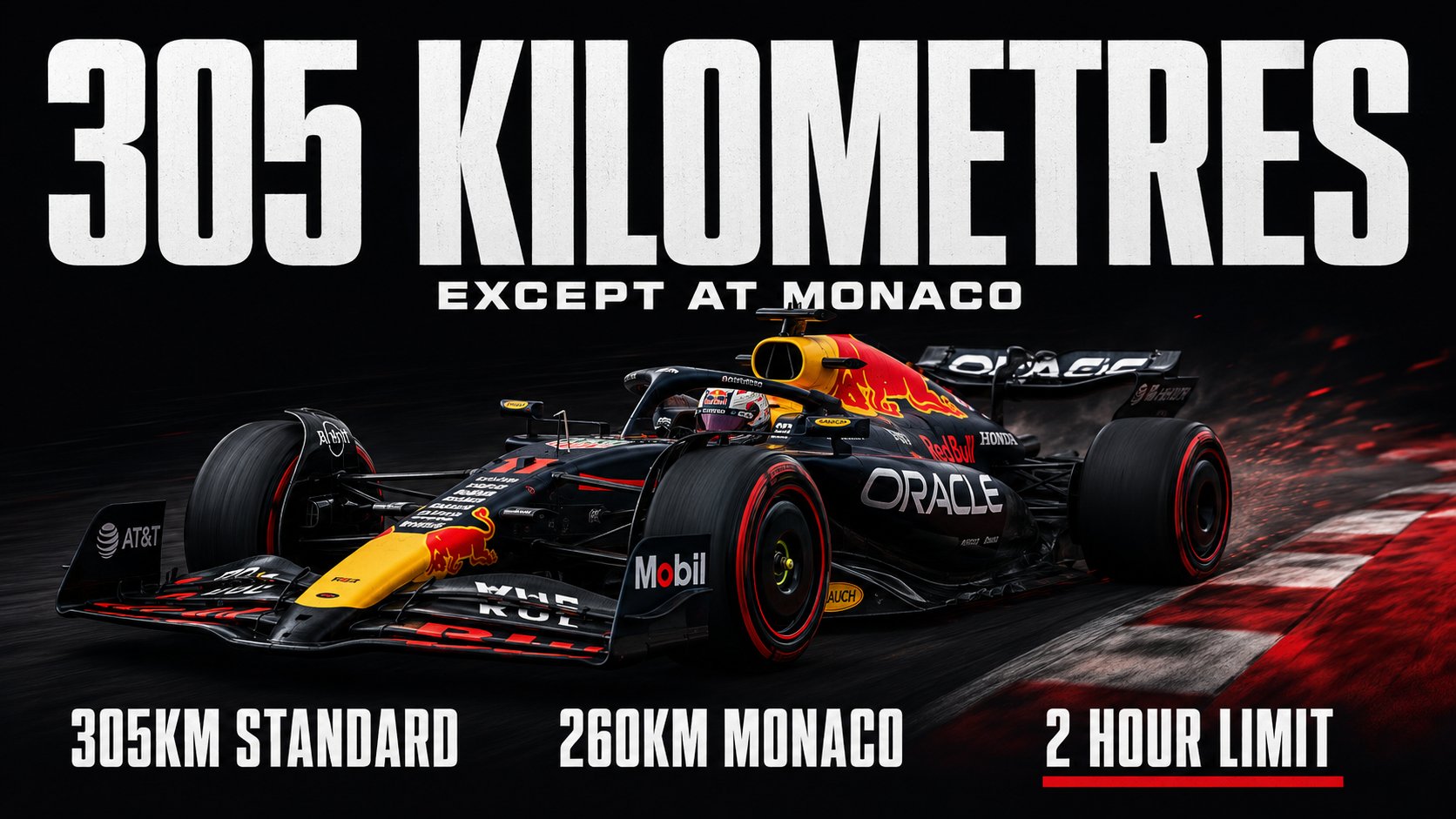
How Long Is an F1 Race? Distance, Laps and the Time Limits
A Grand Prix is 305km, except at Monaco, and it is capped at two hours of racing. We timed 61 races to show how long one actually takes, and what makes the longest ones run past two hours.
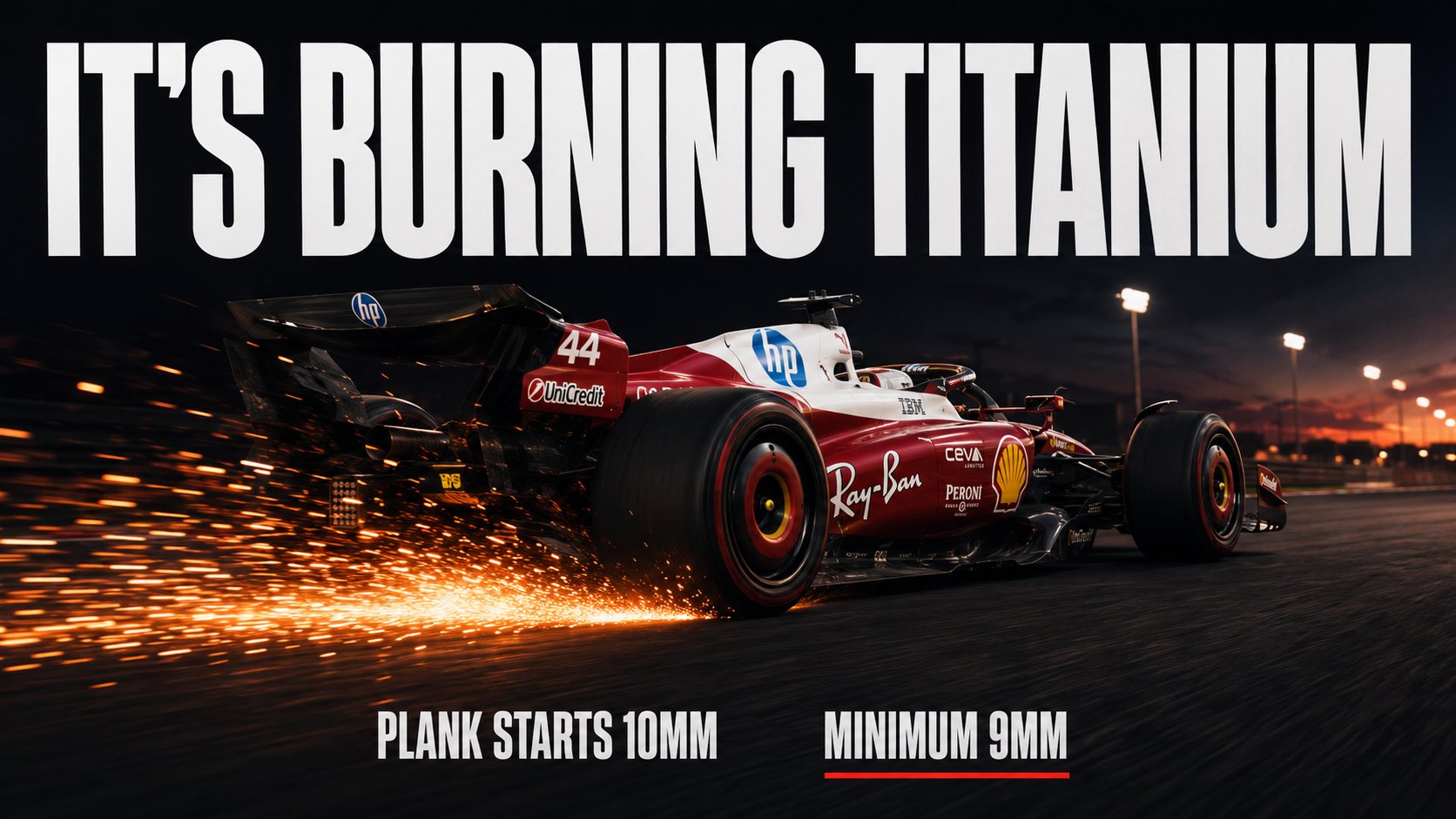
Why Do F1 Cars Spark? The 10mm Rule Behind the Show
The sparks are burning titanium, and they come from a safety device fitted in 1994. Half a millimetre of wear on it has disqualified a driver from a Grand Prix.