Insights, deep-dives & race intel
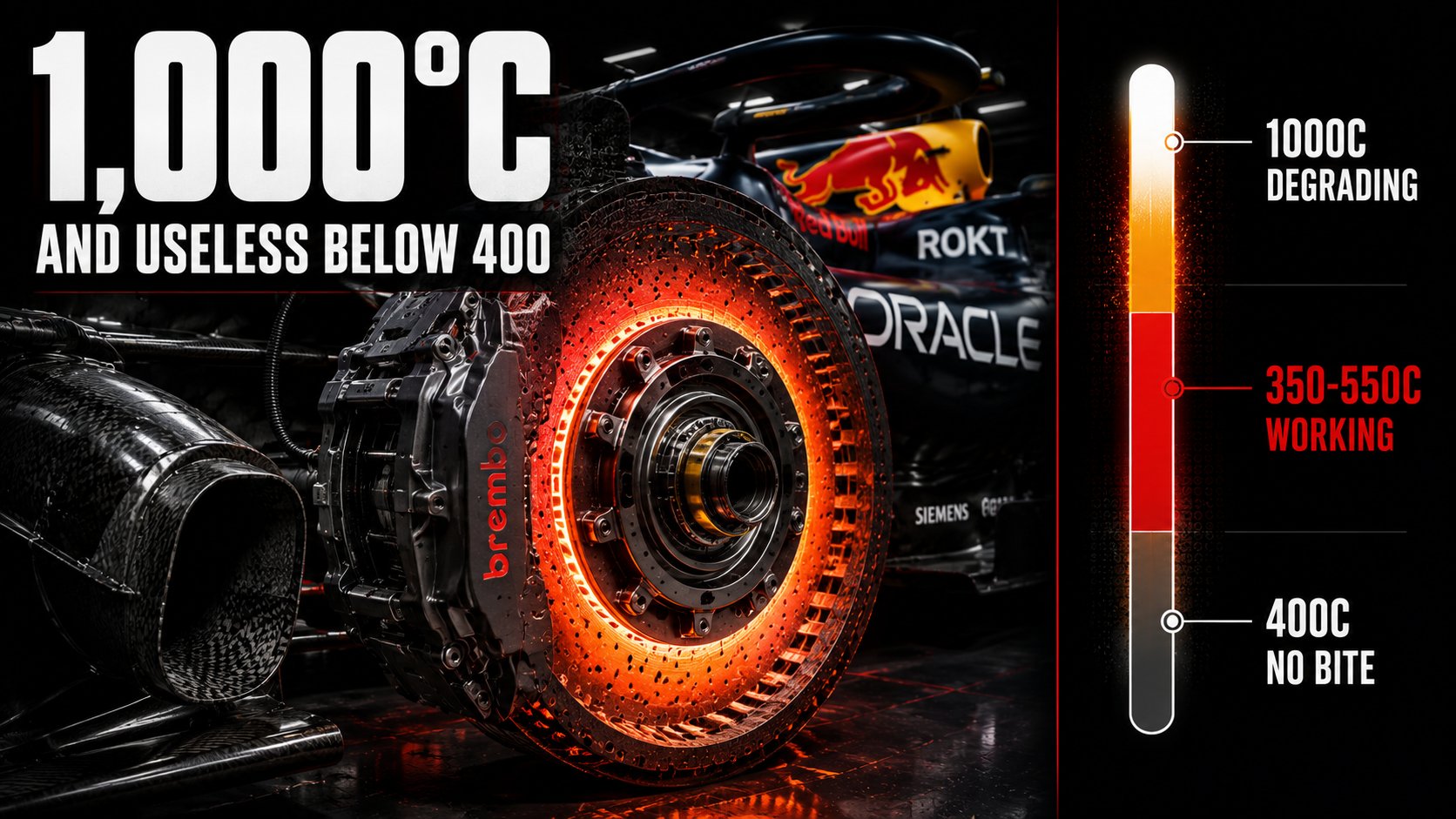
F1 Brakes Explained: 1,000°C, and Useless When Cold
F1 carbon brakes stop a car from 300 km/h in under four seconds, and produce almost no bite below 400°C. The narrow window explains most braking mistakes you see.
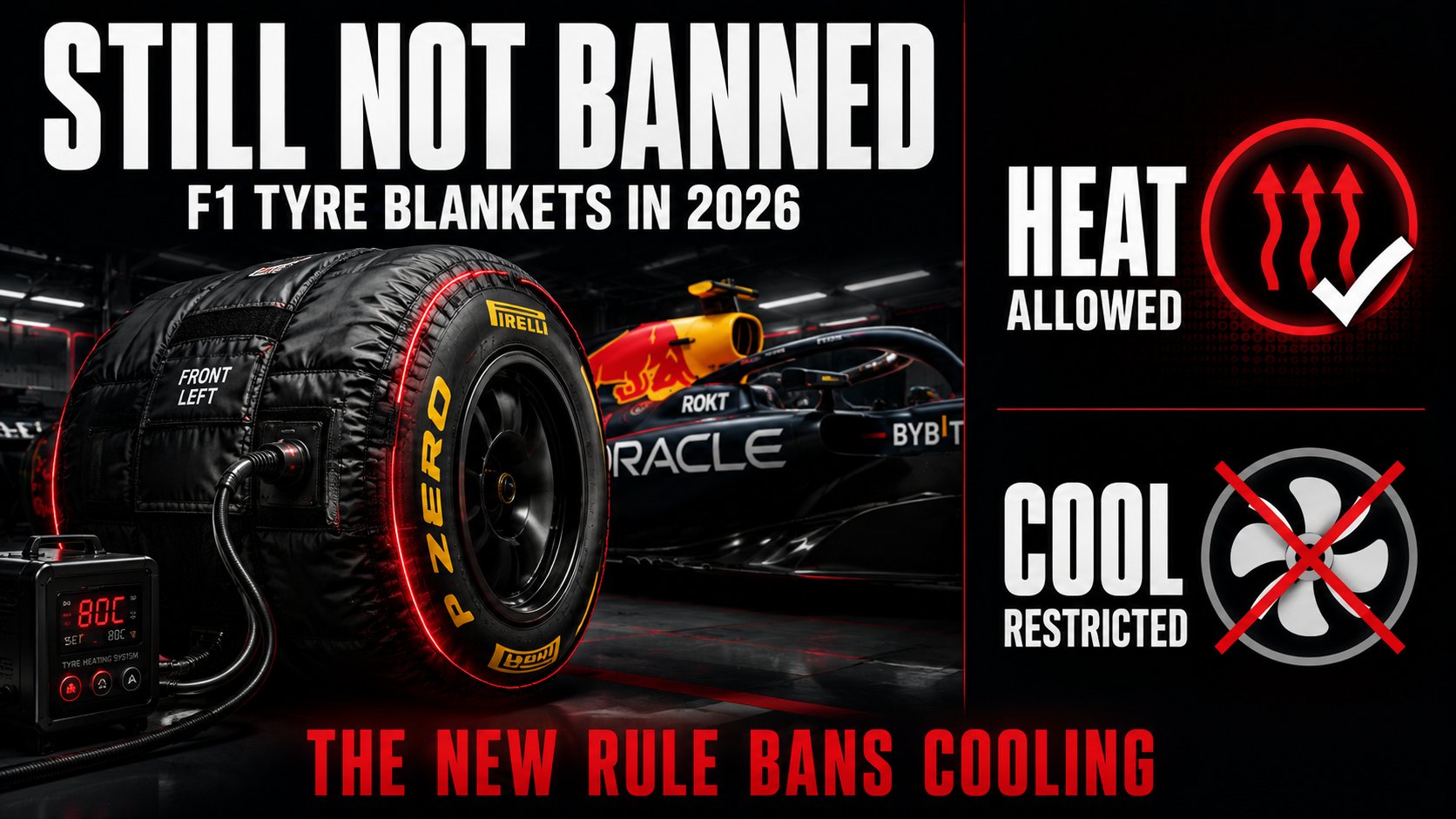
F1 Tyre Blankets: The Ban That Keeps Not Happening
Tyre blankets have been about to be banned for years and are still legal in 2026. The rule that did change went the other way, and closed a cooling loophole.
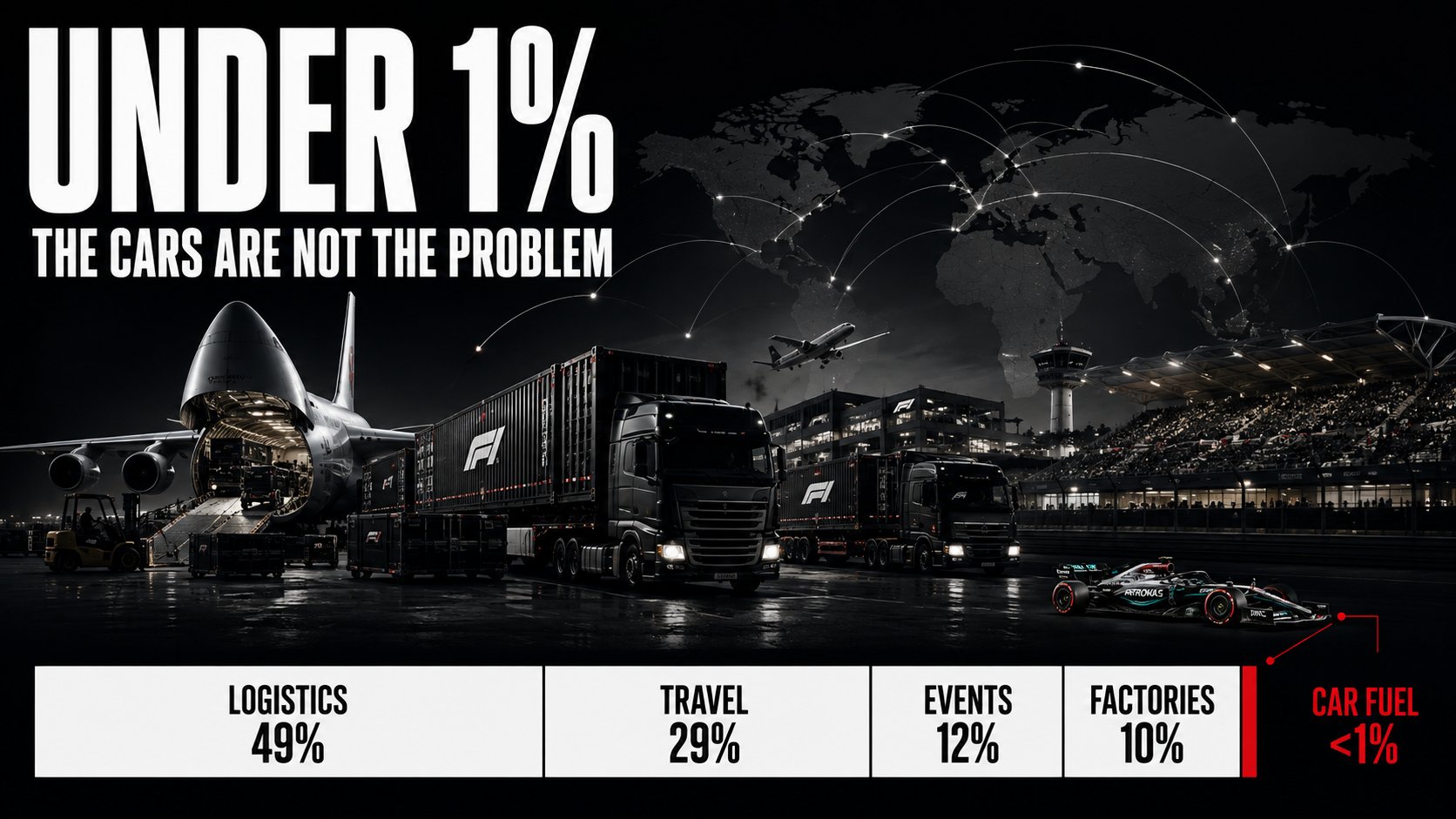
F1's 100% Sustainable Fuel, and What It Actually Does
From 2026 every F1 car runs fuel with no crude oil in it. The cars are also under 1% of F1's carbon footprint, which makes the real argument for it a different one.
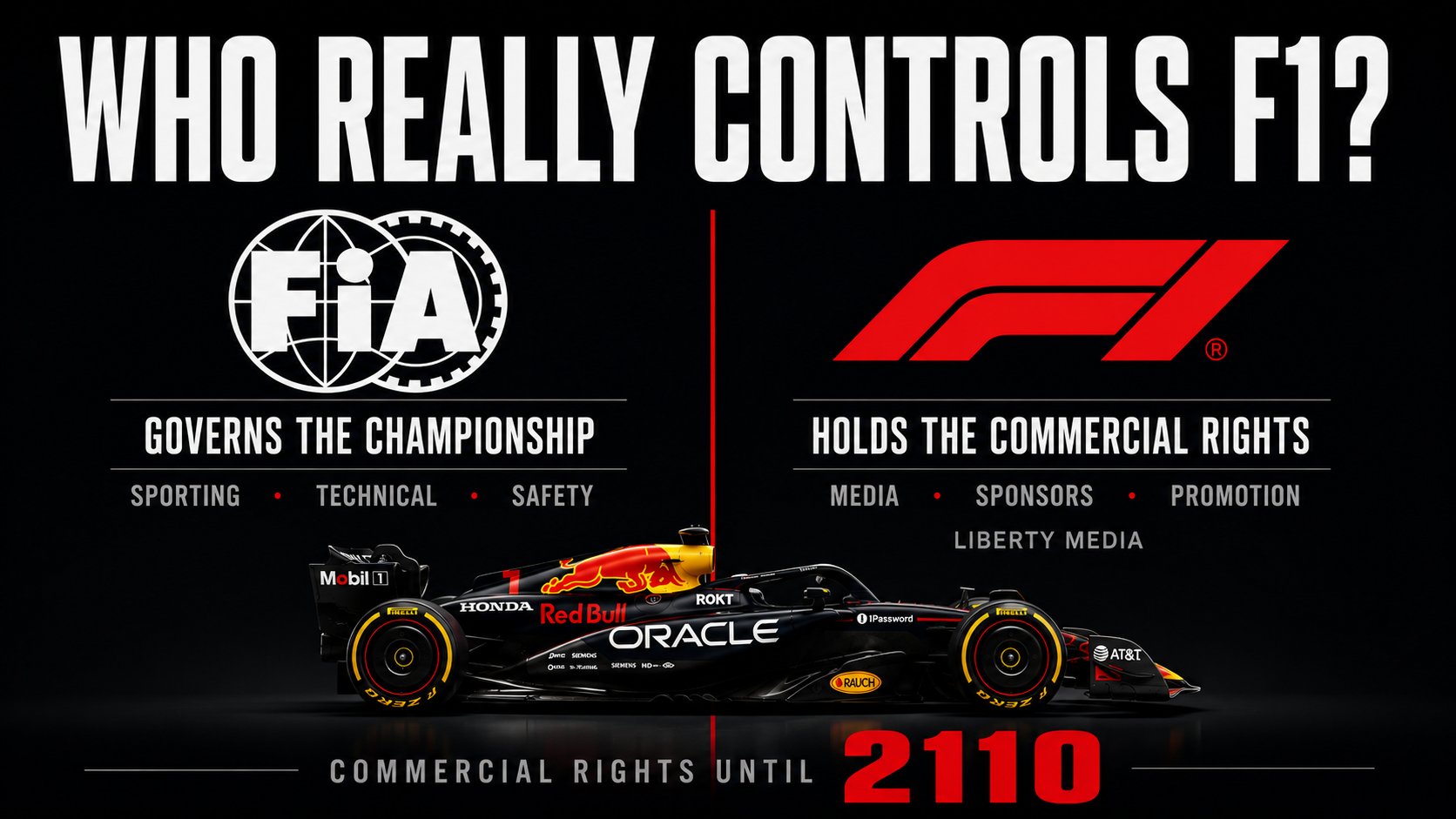
Who Owns Formula 1? The FIA, Liberty Media and the 100 Year Deal
The FIA owns the championship. Liberty Media owns the right to make money from it, on a lease that runs to 2110. The split explains most arguments in the sport.
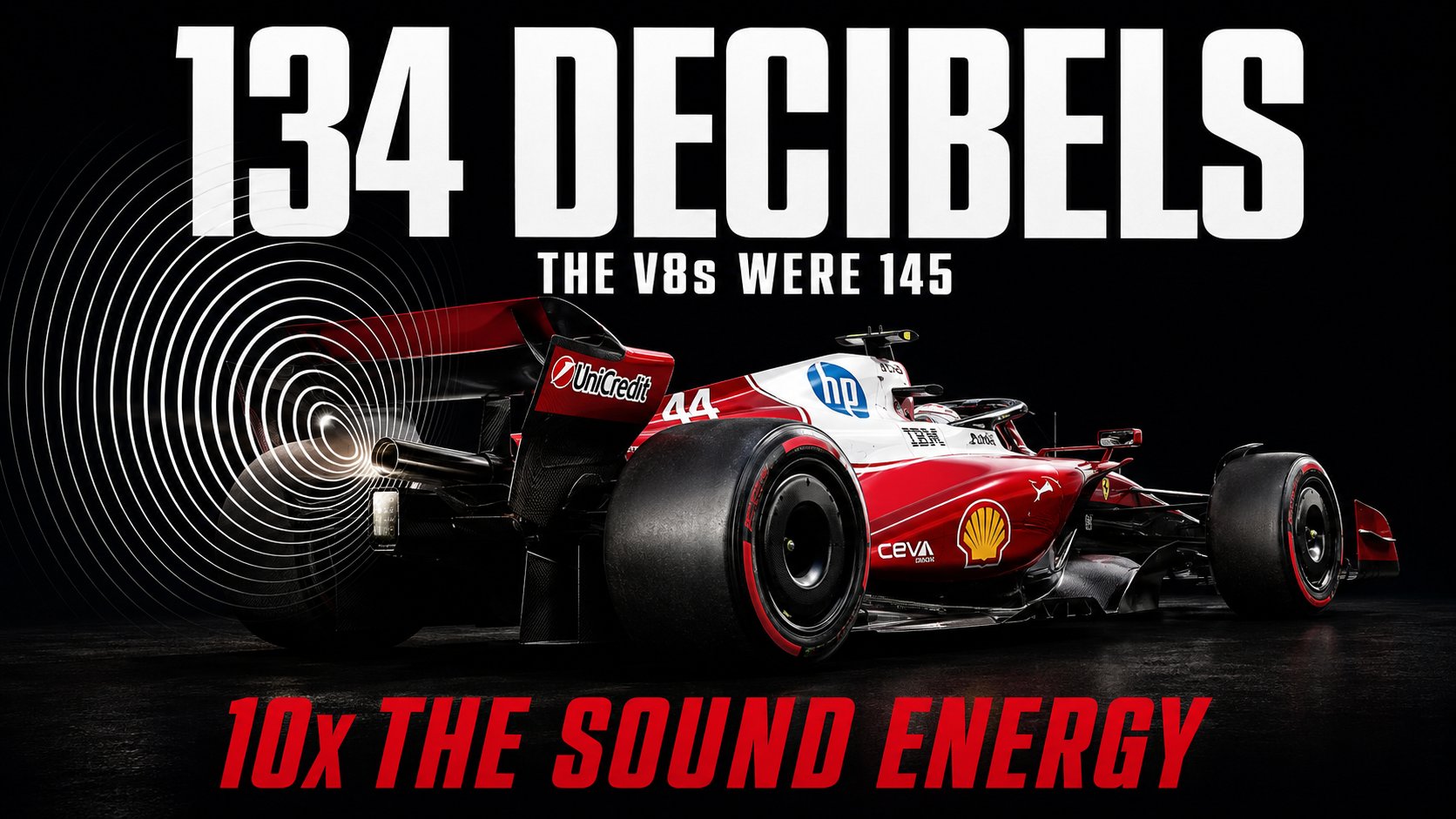
How Loud Are F1 Cars? And Why They Got Quieter
Modern F1 cars measure about 134 decibels, down from 145 with the V8s. Because decibels are logarithmic, that gap is far bigger than it sounds.
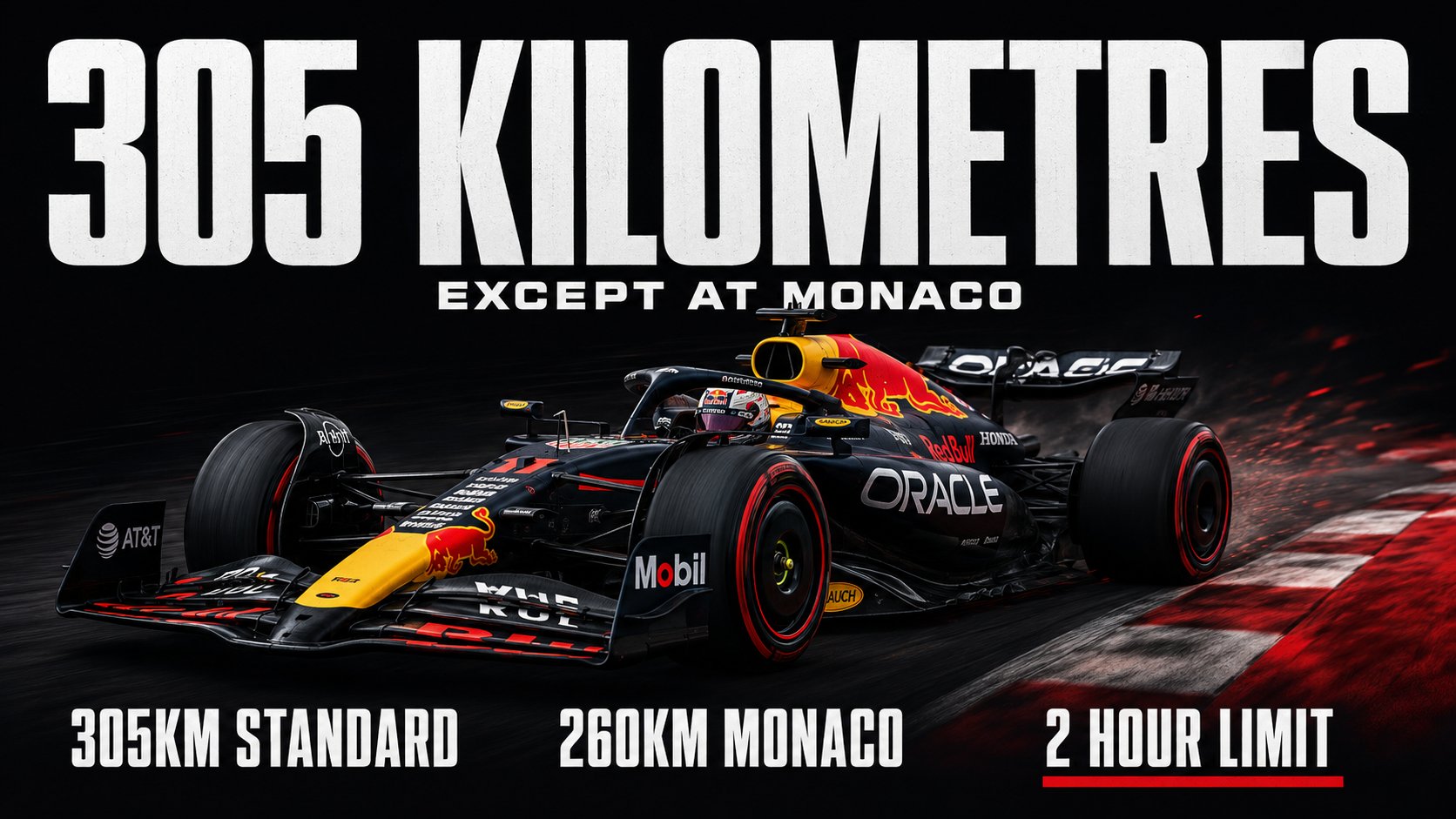
How Long Is an F1 Race? Distance, Laps and the Time Limits
A Grand Prix is 305km, except at Monaco, and it is capped at two hours of racing. We timed 61 races to show how long one actually takes, and what makes the longest ones run past two hours.
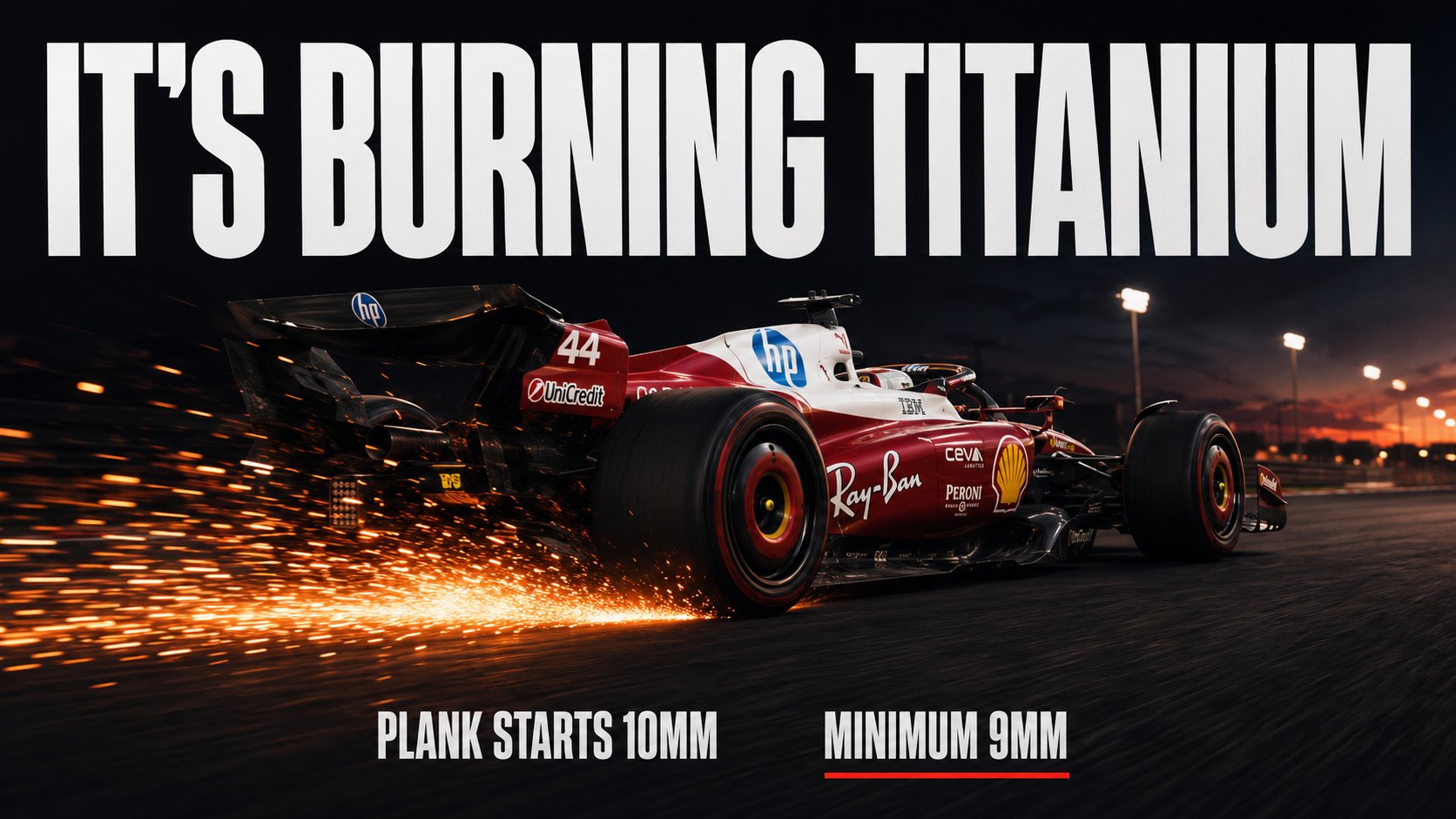
Why Do F1 Cars Spark? The 10mm Rule Behind the Show
The sparks are burning titanium, and they come from a safety device fitted in 1994. Half a millimetre of wear on it has disqualified a driver from a Grand Prix.
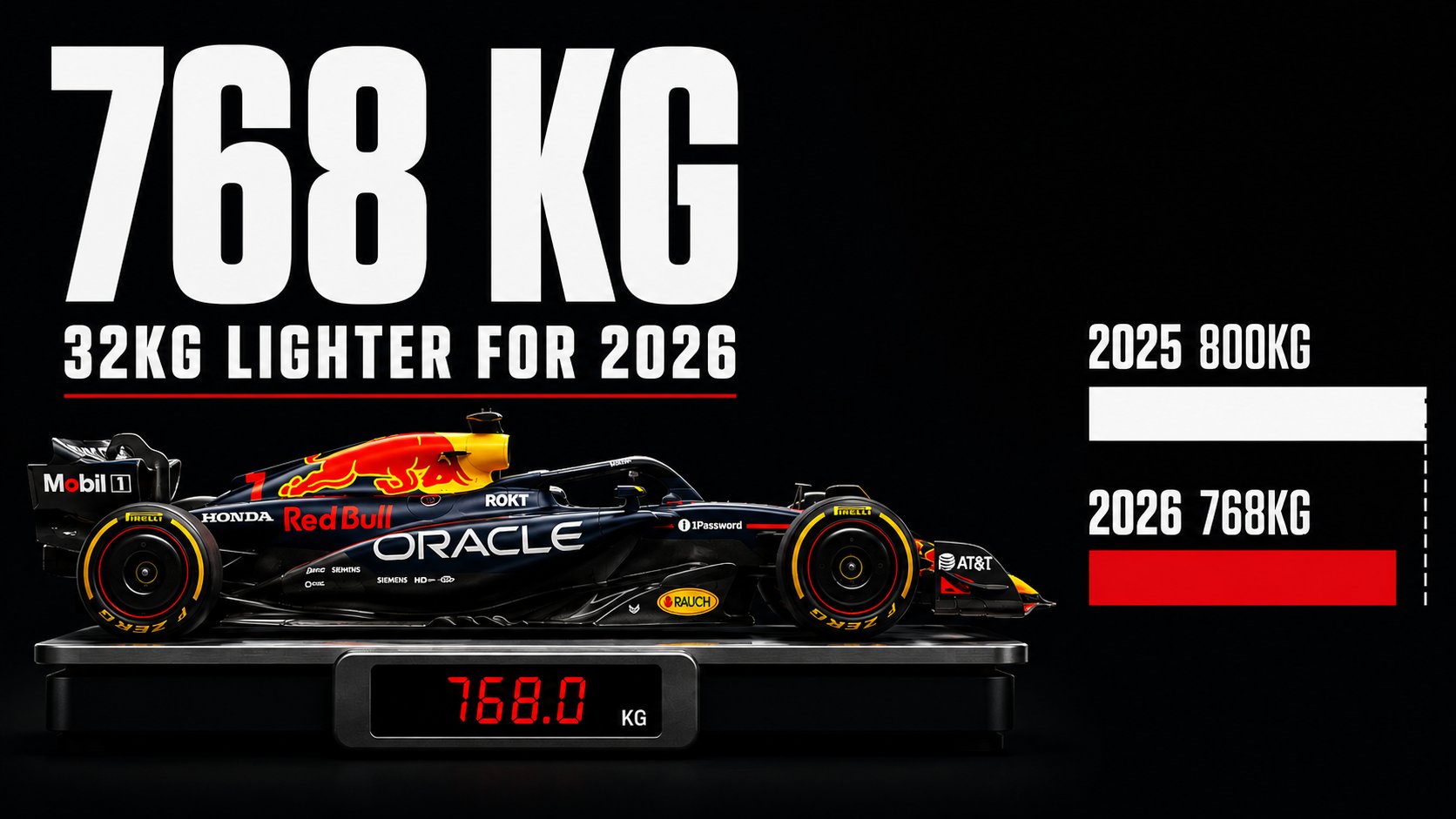
How Much Does an F1 Car Weigh? The 2026 Diet, Explained
The 2026 minimum is 768kg, 32kg lighter than 2025 and the first real reversal after two decades of F1 cars getting steadily heavier. Here is what changed and why it matters.

What Happens When It Rains in F1, and Why Races Get Stopped
F1 does not stop for rain because the cars cannot grip. It stops because nobody can see. The wet tyres, the procedures, and the spray problem the sport has failed to solve.
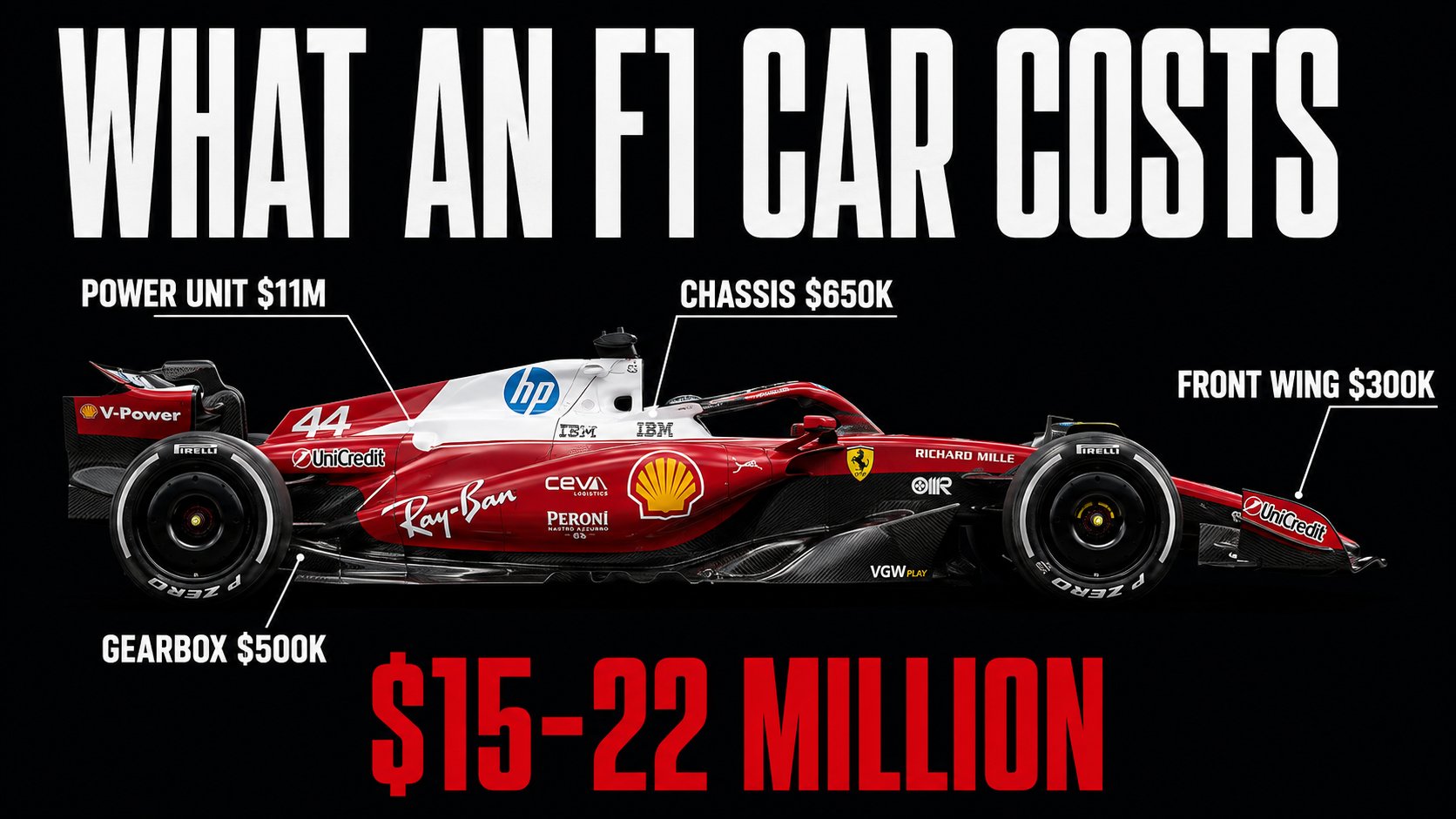
How Much Does an F1 Car Cost? A Part by Part Breakdown
Roughly $15 to $22 million on the estimates, but no team publishes a price. What the parts are reckoned to cost, what real crashes cost teams, and the $215 million cap that governs it all.
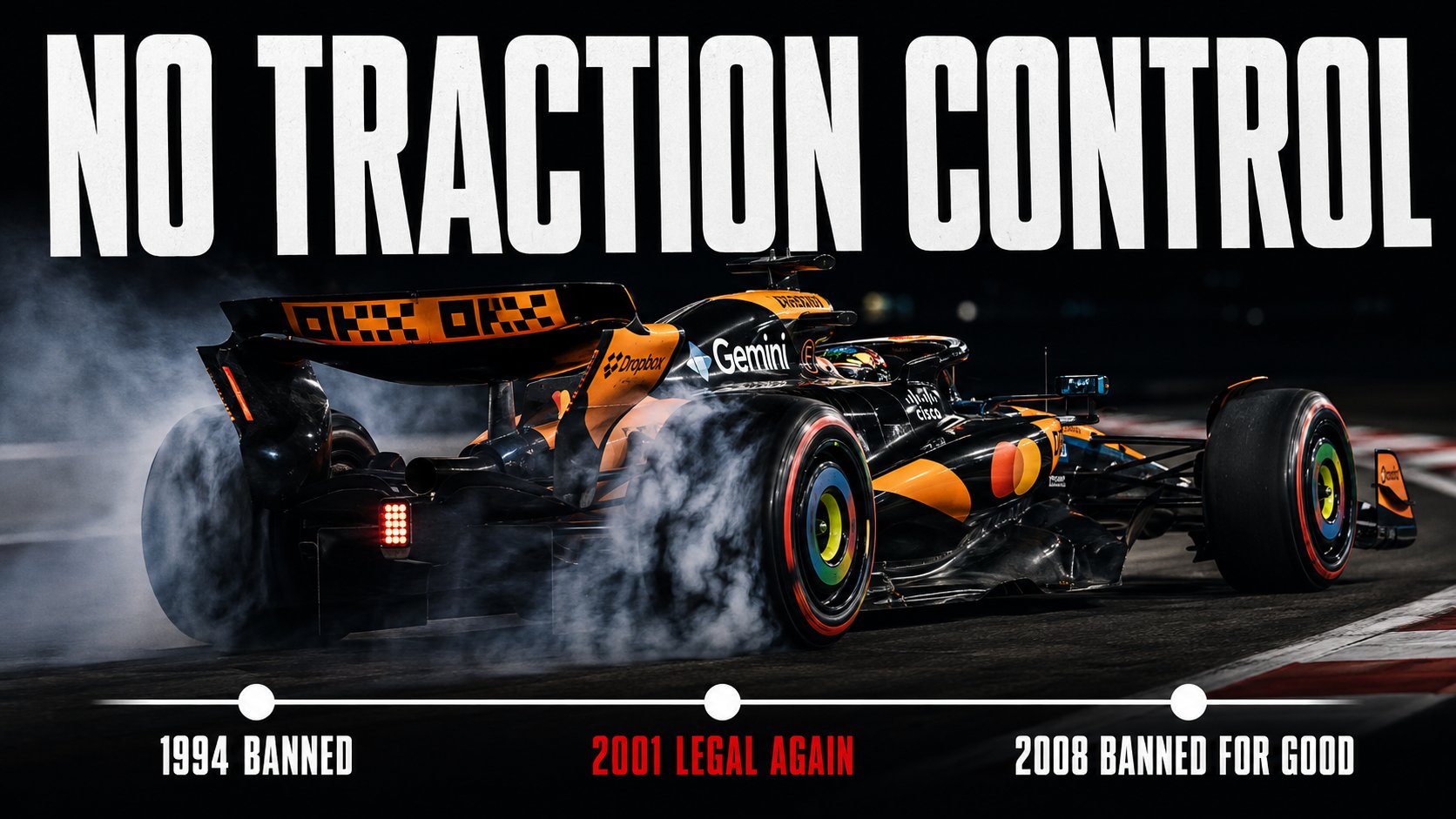
Do F1 Cars Have Traction Control? The Ban, the Return, the Ban
F1 banned traction control, then brought it back because it could not catch anyone cheating, then banned it again with a standard ECU. The reason why is the interesting part.
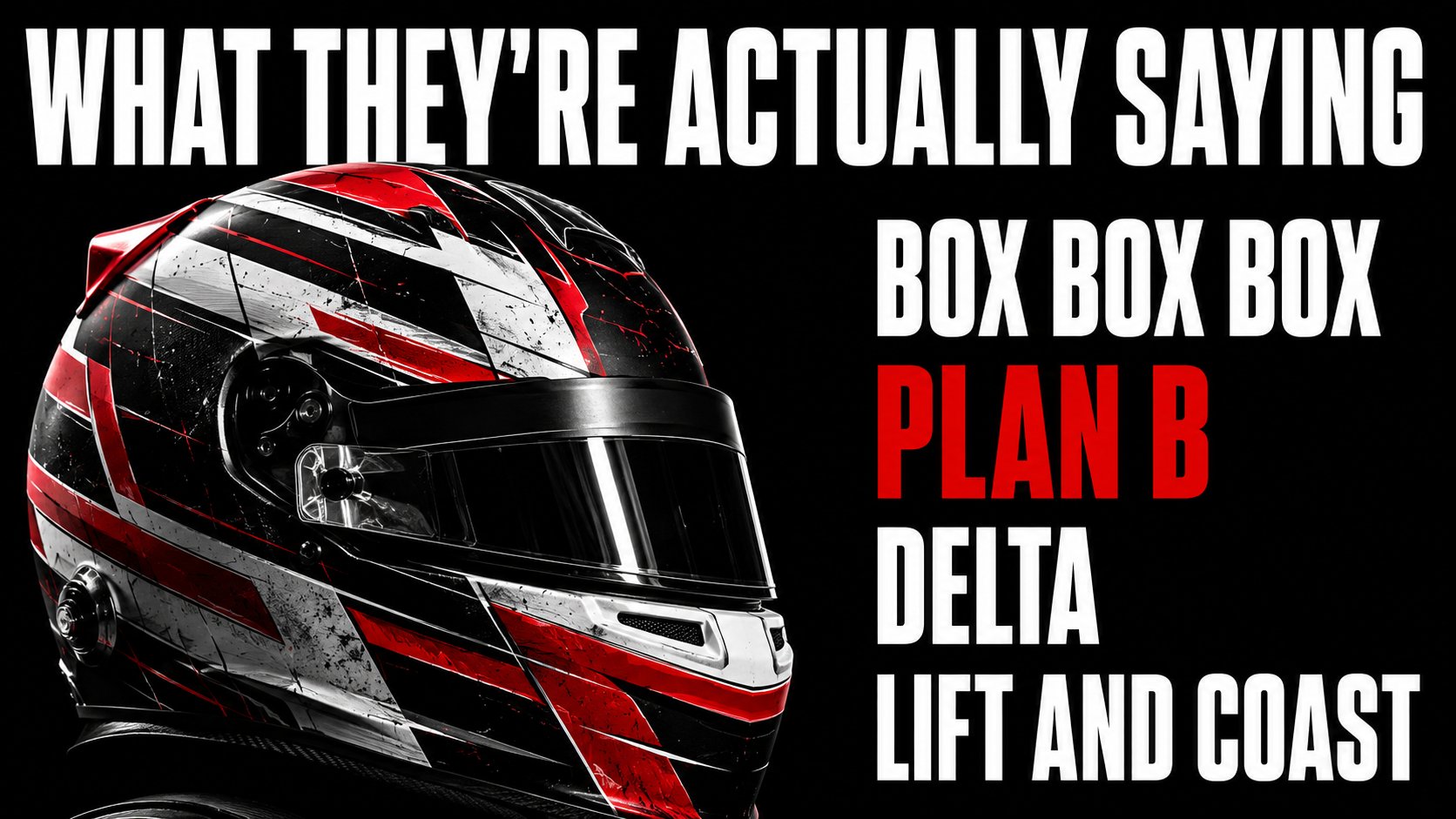
F1 Radio Codes Explained: What the Teams Are Actually Saying
Team radio is broadcast to the whole world, including your rivals. That is why so much of it is in code. Here is what box, Plan B, delta, li-co and the rest actually mean.